Food Photography
When Taste Has to Be Seen Before It’s Felt
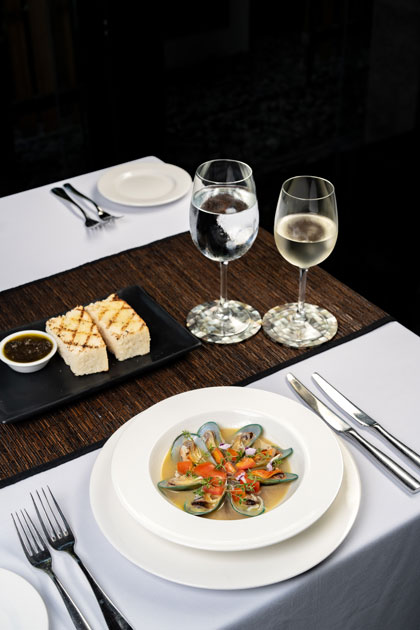
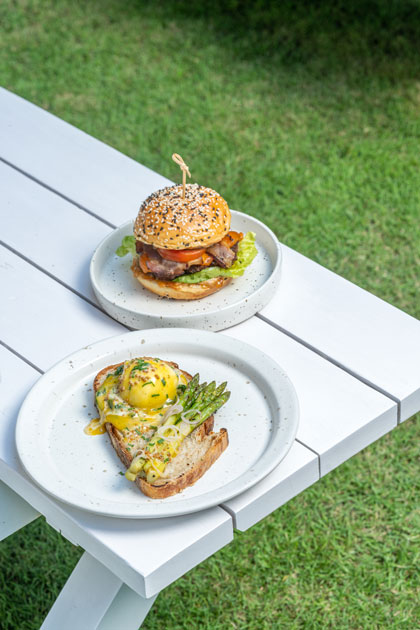
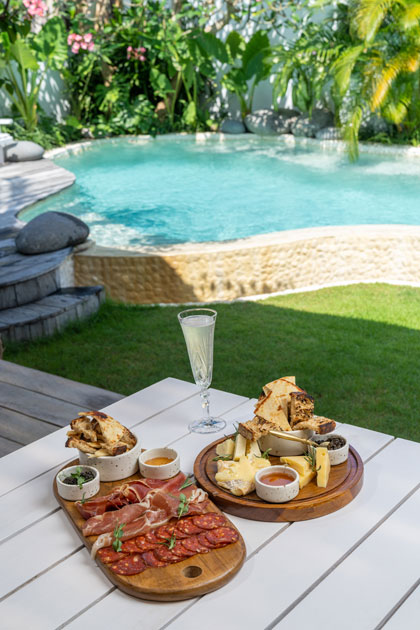
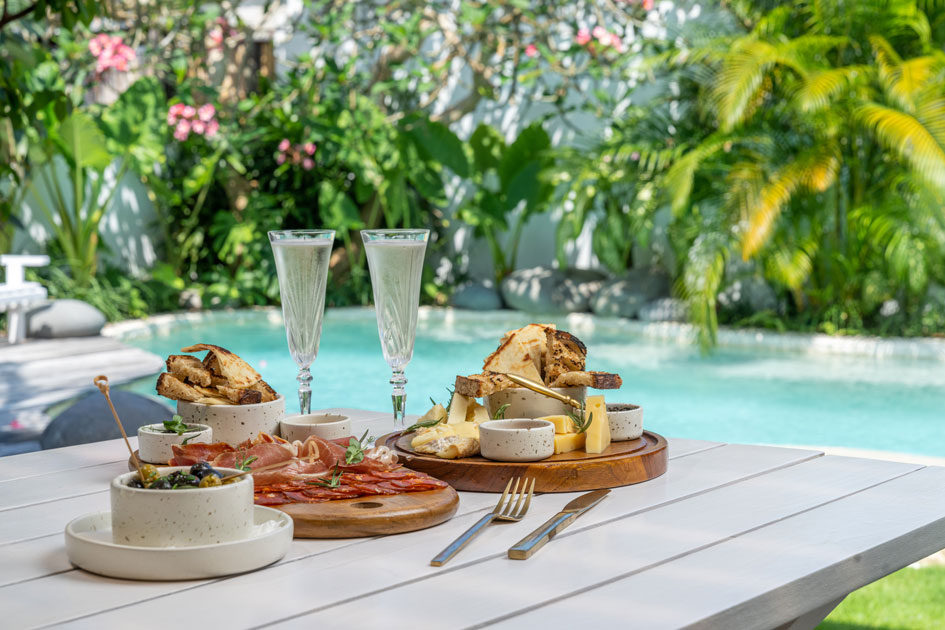
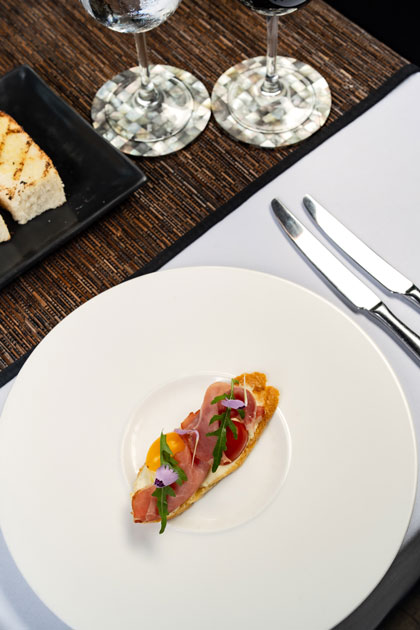
Food photography exists for one simple reason: people eat with their eyes first.
If the image fails, the dish never gets a chance.
Good food photography does not exaggerate. It seduces quietly. It shows texture, freshness, and balance in a way that feels natural, intentional, and honest. Anything else is decoration pretending to be marketing.
Food Photography Is About Control
Food is fragile. Light melts it. Time ruins it. Gravity works against it. That’s why professional food photography is less about improvisation and more about control.
Every shoot considers:
-
Lighting direction and softness
-
Color accuracy and ingredient integrity
-
Styling that enhances, not disguises
-
Camera angle that respects the dish
The goal is clarity, not chaos.
Lighting Makes or Breaks the Dish
Light defines appetite.
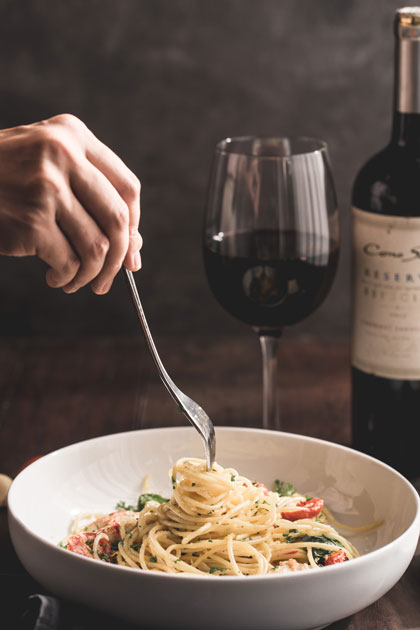
Soft directional light reveals texture. Hard light adds contrast and drama. Flat light kills everything. Natural light works beautifully when controlled. Artificial light is essential when consistency matters.
We choose lighting based on:
-
Cuisine style and mood
-
Plating height and surface texture
-
Brand identity of the restaurant or product
Food should look edible, not staged for an alien species.
Styling That Feels Real
Food styling is not about excess. It’s about restraint.
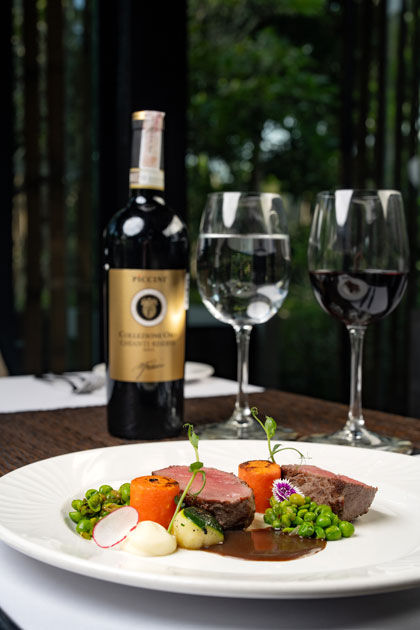
Too much garnish looks desperate. Overfilled plates feel heavy. Perfect symmetry feels fake. Good food photography sits in the space between precision and imperfection.
Every element in the frame must support the hero. If it doesn’t, it leaves.
Commercial Food Photography for Restaurants and Brands
Food photography is a business tool. It must sell without lying.
Professional food photography is essential for:
-
Restaurant menus and branding
-
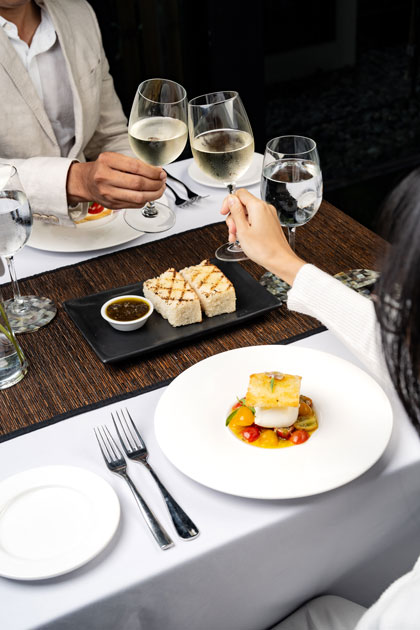
Hotel and resort dining promotions
-
Product packaging and advertising
-
Social media and digital campaigns
Strong images increase perceived value. Weak images silently lower it.
Color, Texture, and Appetite
Color balance matters more in food photography than almost any other genre. Greens must stay fresh. Reds must not bleed. Whites must remain clean.
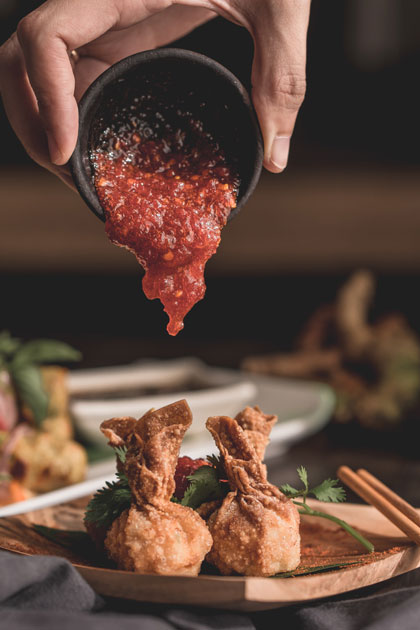
Texture creates desire. Crispy must look crisp. Sauces must feel fluid. Steam is earned, not faked badly.
Post-production should refine, not reinvent.
Final Thoughts
Food photography is visual honesty with discipline.
When done properly, it makes people hungry without shouting. It respects the chef’s work, the brand’s identity, and the viewer’s intelligence.
And yes, it takes time. Good food photography always does.